
Glaucoma occurs when there is damage to the optic nerve of the eye. It can lead to vision loss, possibly even blindness, if untreated. There isn’t a cure for glaucoma, so catching it early is key to making sure it doesn’t progress to the point where your elderly loved one loses their vision in one or both of their eyes. Home care support can be a helpful addition to your senior loved one’s care and help observe signs of health issues.
It’s important to note that glaucoma often doesn’t present any noticeable symptoms in its earliest stages. Once symptoms begin, it’s usually after irreparable damage to the optic nerve has occurred, which cannot be restored. The best way to reduce the risk of glaucoma progressing to this stage is to ensure your loved one has regular eye check-ups and that glaucoma screening is performed at these visits.
That said, not every person will stay on top of those important wellness checks, so if your loved one starts exhibiting any of these symptoms, it’ll be time to insist upon a visit to their eye doctor.
Glaucoma Symptoms
- Feeling pressure or pain in the eye.
- Seeing halos around lights, especially at night.
- Frequent headaches that may come and go.
- Eyes that appear red or bloodshot all the time.
- Noticing a change in vision during low light. It might become impossible to read in low light or discern details.
- Double vision may occur more often.
- Vision may be cloudy, like the air is always hazy.
- Floaters may become more common and frequent in vision.
- In severe cases, nausea or vomiting may occur.
- Blind spots may begin to appear in the later stages.
Risk Factors for Glaucoma
The most common risk factor for glaucoma is age. Once a person reaches age 70, the risk of developing it increases, making everyone over that age at risk, regardless of other risk factors. Other risk factors that increase the likelihood of the condition include having health conditions such as high blood pressure or diabetes, being a woman, having a close family member who has had glaucoma, and having eyesight conditions such as nearsightedness or farsightedness.
Living with Glaucoma
As mentioned, there isn’t a cure for glaucoma, so if your loved one gets diagnosed, their doctors will work with them to try to prevent it from getting any worse. They may use medications and possibly surgery to reduce pressure on the optic nerve.
At home, your loved one may find they need help to remain independent because some daily living activities may be impacted by the vision loss they sustain from the glaucoma. If your elderly loved one desires to continue aging in place in their home, a home care team can help them keep that dream alive by stepping in and assisting in areas that their vision loss has made difficult or impossible.
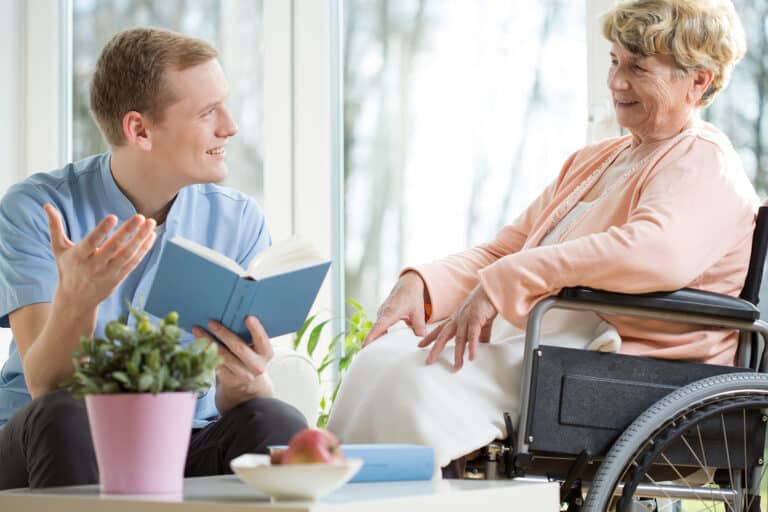
Home care teams can provide individuals to help your loved one with transportation needs if they are no longer able to drive their vehicles. A home care provider can also assist with household tasks, such as cooking, if your loved one’s vision loss makes tasks like chopping too difficult. If reading has become a challenge, home care aides can also support your loved one by helping them read their mail or even reading a book to them.
If you or an aging loved one is considering Home Care in La Mesa, CA, please contact the caring staff at Aaron Home Care. (619) 880-5522
A Trusted Home Care Agency Serving La Jolla, Pacific Beach, Point Loma, San Diego, UTC, La Mesa, Chula Vista, Coronado, Bonita, Eastlake, and the surrounding areas.

In 1999, Aaron was named Residential Program Manager of a group home for disabled adults in Arlington, Virgina. Here, he built a reputation for being compassionate with his clients and efficient in company operations. In the years that followed, Washington DC’s human services field went through unprecedented reform when the city was fined $11 million for the previously unchecked abuse, neglect, and exploitation of the very population it was supposed to protect. In 2005, Aaron was selected by a watchdog company to co-create and implement a monitoring system to safeguard and advocate for the system’s most vulnerable residents. This system is still in use today.
Aaron is now using his unique gifts and profound experience in the human service field to provide San Diego County Seniors with dependable, compassionate caregivers through Aaron Home Care.
He currently serves on the board of the San Diego Regional Home Care Council and is an active member of the Senior Advocate Network of San Diego.
Aaron Home Care is a member of the American Board of Home Care and is accredited by the Better Business Bureau.
- Alzheimer’s Care: Helping to Restore Peace After Dark - June 9, 2026
- Home Care Helps Seniors Recover At Home After A Knee Replacement - May 27, 2026
- Making Home Safer and More Manageable for a Parent with Parkinson’s - May 8, 2026