
Post Stroke Care: How In-Home Support Helps Seniors Recover Safely

Post-stroke care at home supports safety, mobility, meals, medication reminders, and emotional well-being—helping seniors recover with confidence.
Supporting Seniors With Swallowing Difficulties

24-hour home care supports seniors with swallowing difficulties through safe meals, nutrition monitoring, and steady caregiver support for comfort and health.
Helping Seniors Find the Recovery Support
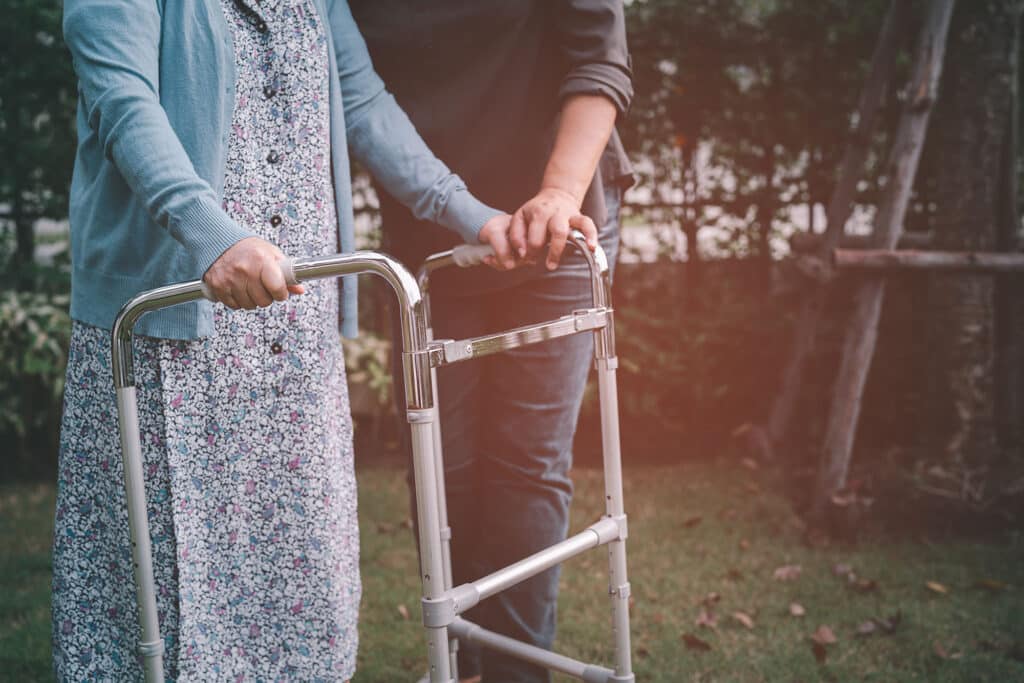
Post hospital care helps seniors recover safely by guiding footwear choices, mobility aids, and daily support tailored to their individual needs.
Tips for Communicating with Your Loved One with Parkinson’s Disease

Parkinson’s care supports clearer communication and daily needs by helping families manage speech changes and provide safe, skilled assistance at home.
How Alzheimer’s Home Care Supports Families and Loved Ones

Alzheimer’s home care helps seniors stay safe and connected at home—offering families compassion, structure, and hope throughout every stage of memory loss.
How In-Home Care Helps Seniors Living At Home

In-home care helps seniors stay independent by providing daily support with household tasks, meals, and activities so they can continue living safely at home.
Can Home Care Support Healthy Weight for Seniors?

Maintaining a healthy weight can be difficult for aging adults, especially when they’re managing health issues. Home care can make a difference.
Helping Seniors Bridge the Digital Divide

Elder care helps seniors use AI tools like smart tech and virtual assistants with greater confidence, support, and ease in daily life.
Five Tips for Reducing the Risk of Falling While Recovering from a Stroke

Post stroke care helps seniors recover safely by reducing fall risks, offering trained support, and ensuring independence during the healing process.
How 24-Hour Home Care Helps Improve Communication

24-hour home care helps seniors overcome communication barriers with healthcare providers, ensuring clarity, safety, and better health outcomes.